
How Mindful Pedagogy Can Support Teacher and Student Wellbeing in the New Academic Year
Kay Czepli-George
As I write this in early August, many of us still have a few precious weeks before the new academic year begins. We may technically still be on holiday, but for many teachers the mind has already started drifting back towards classrooms, timetables, pupils, meetings, responsibilities and everything that September brings.
Perhaps this is exactly the right moment to think about wellbeing before we are fully back on the hamster wheel and simply trying to keep up with its pace.
Rather than waiting until we are exhausted to ask what might help, these final weeks can give us a little space to notice what restores us, what drains our energy, and what small changes might help us move through the next academic year more sustainably. Perhaps with a little more awareness of what we need in order to keep going without constantly running on empty.
We do not need a completely new routine or another ambitious wellbeing plan. In fact, some of the most sustainable changes are remarkably small: pausing before entering a classroom, noticing the first signs of overload, allowing ourselves a slower transition between tasks, looking for brief moments of calm during the day, or simply taking one conscious breath before responding.
For me, this is where mindful pedagogy becomes particularly valuable. It is not another thing to add to the September to-do list or another practice we have to get “right”. It is an invitation to enter the new academic year with a little more awareness of our pupils, of the spaces we teach in, and also of ourselves. To notice how we are using our energy, what is asking too much of it, and where we might create just a little more space to breathe.
That is why, in this article, I would like to share some reflections on mindful pedagogy strategies that have supported me in my own teaching, as well as educators I have worked with. I will also connect these practical experiences with the growing body of research exploring mindfulness, teacher wellbeing, self-regulation and the wider impact of mindful approaches in education.
Because before we think about everything we need to give our pupils in the year ahead, it is worth asking what might help us sustain the energy, presence and compassion that teaching asks of us in the first place.
Teaching is a profession built on care. But who is caring for the teachers?
Every day, teachers give their time, energy and emotional capacity to helping children and young people learn and thrive. We manage busy classrooms, changing demands, complex relationships and the many unexpected moments that make education both rewarding and exhausting.
For years, I thought being a good teacher meant finding a way to keep going regardless. Over time, that changed.
My perspective on mindful pedagogy has been shaped by several parts of my professional life: my experience as a teacher, my work as a psychologist, and my role as a mentor supporting other educators. Being a neurodivergent educator myself has also made me particularly aware of the cognitive, sensory and emotional energy that teaching can require.
I could teach what appeared from the outside to be a successful lesson and still leave the classroom feeling completely depleted.
Mindful pedagogy gradually became one of the approaches that helped me understand and manage this differently.
What surprised me most was that the practices helping my pupils regulate were often helping me regulate too. For example, pausing before responding, allowing a few seconds of silence, noticing when the energy of the room was rising or changing the pace instead of pushing through the plan – these were small adjustments but they changed how the classroom felt and they changed how I felt within it.
Mindful pedagogy is not simply something we do for students. It can change how both students and teachers experience the classroom.
What is mindful pedagogy?
At its heart, mindful pedagogy is about paying attention, which can sound almost too obvious. After all, as teachers, we are constantly paying attention. During one lesson, we may simultaneously notice who has arrived late, who has forgotten their equipment, who is unusually quiet, whether somebody has misunderstood the task, whether another pupil is becoming overwhelmed, how much time is left and whether two students at the back are about to completely derail the lesson. Teachers are remarkably skilled at scanning what is happening around them.
However, mindful attention goes a step further. It is not simply about noticing more. It is about changing the quality of our attention (Li, 2025). Instead of only asking What is happening? we might also ask:
- What am I noticing about what is happening?
- What is happening inside me as I respond?
- What assumptions am I making?
- Am I reacting automatically or choosing my response?
- What might this pupil’s behaviour be communicating?
- Does this class need more input right now or more space?
As educators, we become very good at looking outward. Mindful pedagogy invites us to look inward as well. It asks us to notice our own breathing, tension, frustration, sensory load, urgency and emotional responses while we teach. It is not simply attention to the classroom. It is awareness within the classroom.
Barbezat and Bush (2014) describe this approach as intentionally incorporating attention, reflection and awareness into educational practice. Importantly, this does not necessarily mean formal meditation. Often, mindful pedagogy is much more ordinary.
It can mean:
- pausing before responding to challenging behaviour;
- slowing our voice when classroom energy begins to rise;
- allowing silence rather than immediately filling it;
- noticing tension in the body before it becomes overwhelm;
- giving pupils additional processing time;
- creating predictable transitions;
- listening without simultaneously planning the next response;
- approaching behaviour with curiosity before judgement.
These are not dramatic interventions and that is precisely why they can be so useful.
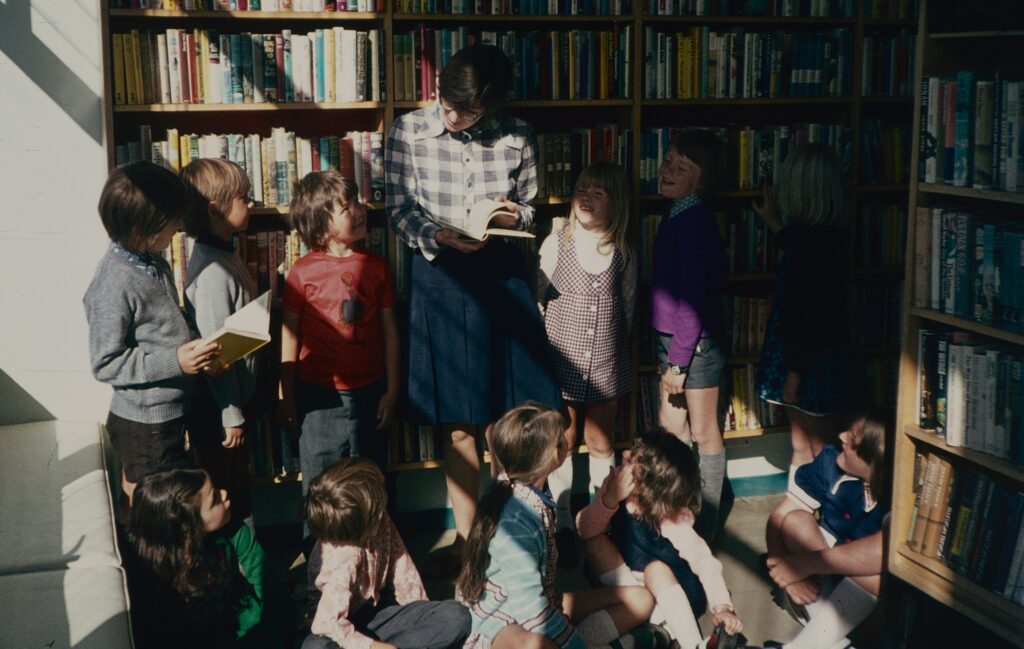
Photo by Annie Spratt
The space between reacting and responding
Mindful teaching does not make classrooms free from difficulty because there will still be forgotten homework, dysregulated pupils, challenging conversations and lessons that bear only a passing resemblance to the beautiful plan written the night before. Technology will still occasionally stop working precisely when twenty-five people are staring at you. Mindfulness does not remove those moments but what it can create is a small space between “what happens” and “how we respond to what happens”.
From my own experience, and from working with educators who have tried mindful pedagogy strategies themselves, I have seen how surprisingly powerful that small space can be. Sometimes it lasts a few minutes; sometimes it is no more than a single breath. Yet even one conscious breath can be enough to shift the tone of an interaction and change what happens next.
What I noticed in classrooms with more SEN pupils
I found mindful pedagogy useful in every classroom, but its benefits were particularly noticeable when I was teaching classes with a higher proportion of pupils with Special Educational Needs (SEN). In those groups, regulation, predictability, sensory demands, emotional safety, transitions and pace could matter just as much as the actual lesson content.
A classroom can be an intensely demanding sensory and cognitive environment.
There may be:
- noise;
- constant movement;
- competing conversations;
- fluorescent lighting;
- unpredictable social interactions;
- rapid transitions;
- multiple verbal instructions;
- demands on attention and executive functioning.
For some pupils, particularly neurodivergent pupils, simply remaining present in that environment can require significant self-regulation.
As a neurodivergent teacher myself, I increasingly recognised that I was navigating some of those demands too. The difference was that I was expected to do so while teaching, monitoring behaviour, remembering where everyone was in the lesson, answering questions, checking understanding, watching the clock and thinking several steps ahead.
Mindful pedagogy helped me notice my own energy before it disappeared completely.
Instead of recognising overload only at the end of the school day, I became better at recognising it while it was happening.
I began asking myself:
- What is the energy in this room right now?
- What is my own nervous system doing?
- Do we really need to move on yet?
- Is this pupil refusing or are they overwhelmed?
- Am I responding to this situation, or to stress I am already carrying from the previous lesson?
That shift towards curiosity changed how I interpreted behaviour and that does not mean abandoning boundaries. Mindful pedagogy is not permissive pedagogy. For me, it means holding boundaries while remaining aware of the human being standing on the other side of them. And also remaining aware of the human being holding the boundary.
Why teacher wellbeing matters
The longer I work with educators, as a teacher, psychologist and mentor, the harder it becomes to separate teacher wellbeing from teaching and learning.
How we feel affects how we teach. It influences:
- our patience;
- our ability to listen;
- our creativity;
- how we interpret behaviour;
- our capacity to recover after difficult interactions;
- the emotional tone we bring into the next lesson.
Dreer’s (2023) systematic review found that teacher wellbeing is associated with a range of important professional outcomes, including teacher–student relationships, professional fulfilment and retention.
Teacher wellbeing is therefore not simply a private concern. It is part of the educational environment. Teachers do not leave their nervous systems outside the classroom door.
Neither do pupils.
When teachers have more capacity to regulate themselves, they often have more capacity to remain present for their pupils.
What does the research tell us?
Research into mindfulness and teacher wellbeing has grown considerably. Flook et al. (2013) explored a mindfulness-based programme adapted specifically for teachers. Participants showed improvements in areas including burnout, psychological symptoms and self-compassion.
Klingbeil and Renshaw’s (2018) meta-analysis of mindfulness-based interventions for educators also found promising effects, particularly in relation to psychological functioning and stress.
A later systematic review by Hidajat et al. (2023) concluded that mindfulness-based approaches show promise in reducing teacher stress and burnout, while also noting important differences between programmes and study designs.
Research therefore does not suggest that mindfulness is a magic solution but it does emphasise that it may provide teachers with useful psychological and attentional resources.
What about students?
Recent research also suggests that mindful pedagogy may support the students themselves.
Sweeney, Burke and Meehan (2025) conducted a systematic review exploring the impact of mindful pedagogy on creativity in higher education. Their findings show that mindful approaches may support:
- creativity;
- creative confidence;
- overcoming barriers to creative expression;
- development of skills that can transfer into applied learning;
- aspects of student wellbeing.
One particularly interesting point is that the authors highlight the potential value of informal mindful practices embedded directly within teaching and learning, rather than mindfulness existing only as a separate activity.
Sweeney, Burke and Meehan (2026) explored this further in a case study of undergraduate culinary arts students.
The researchers identified four important themes:
- developing self-awareness through the breath;
- building creative confidence within a mindful learning environment;
- feeling calmer and more empowered when entering professional environments;
- experiencing what they describe as “spacious applied learning.”
Students also described using mindful practices for relaxation, emotional regulation and self-care.
These studies were conducted in higher education, so their findings should not automatically be generalised to school-aged pupils or SEN populations. However, the underlying idea strongly reflects what I have observed in classrooms: when we create more psychological space for learning, students may gain more than simply a calmer lesson. They may also develop greater awareness of themselves as learners.
Simple Tip: Even a brief pause of a minute or two to look out of the window and rest our attention on something we find calming can offer a small but valuable moment of restoration during an intense day.

Small mindful strategies for the school day
Mindful pedagogy does not need to become another large initiative. The strategies that have stayed with me are those that work on an ordinary Tuesday morning when there is very little time and quite a lot happening.
1. Pause before entering the classroom
Before opening the door, take one slow breath. Ask: How am I arriving in this room?
Then: How do I want to show up?
This tiny transition can stop some of the emotional energy of the previous lesson from automatically following us into the next one.
2. Read the room before teaching the plan
Sometimes a beautifully planned lesson can wait thirty seconds. Before launching into the content, notice the class. Are your students restless? Tired? Excited? Overstimulated? Quiet? Still emotionally somewhere else?
Then notice yourself.
A slower start or brief reset can sometimes save significantly more time than forcing everybody into the lesson before they are ready to engage.
3. Notice your own warning signs
We often become very good at recognising when a pupil is nearing overwhelm. We may not recognise it as quickly in ourselves.
Early signs might include:
- speaking faster;
- becoming unusually irritated by small interruptions;
- becoming more sensitive to noise;
- losing our train of thought;
- rushing pupils;
- feeling tension in the shoulders or jaw;
- finding it harder to switch attention between tasks.
These signs are information and recognising them gives us choices.
4. Pause before responding
When something triggers irritation, try not to respond immediately. Take one breath. Notice your body. Notice your voice. Then decide how you want to respond. This does not mean ignoring inappropriate behaviour.
It means trying to ensure that you, rather than your immediate stress response, decide what happens next.
5. Slow your voice when the room speeds up
When classroom energy rises, teachers can unconsciously begin speaking louder and faster.
Sometimes the opposite is more effective. Slow your speech. Lower your voice. Reduce the number of words you use.
You are modelling regulation rather than simply demanding it.
6. Make transitions visible
Transitions can create substantial cognitive load for some pupils.
Try:
- giving advance warning before changing activity;
- displaying the next step visually;
- reducing unnecessary verbal instructions;
- allowing processing time;
- creating a short pause between tasks.
Predictability can reduce how much energy pupils need to spend working out what is happening next.
7. Replace judgement with curiosity
When behaviour is challenging, experiment with replacing:
Why are they doing this?
with:
What might be happening here?
A pupil may be avoiding a task because they do not understand it. Someone who appears disengaged may be overwhelmed. A pupil repeatedly interrupting may be struggling with inhibition. A boundary may still be needed but curiosity simply helps us decide which response is most useful.
8. Notice your own needs
Try asking yourself:
- What situations leave me most stretched?
- How does stress show up in my body?
- Which environments increase my sensory or cognitive load?
- What helps me recover?
- Where am I spending energy unnecessarily?
While these questions can support any teacher in becoming more aware of their needs and limits, they may be particularly valuable for neurodivergent educators. Many of us become highly skilled at adapting, compensating or masking in order to meet the demands of the school environment, without always recognising how much energy this requires. Mindful awareness can help us notice that cost earlier – before we reach the point of significant overload or exhaustion – and make more intentional choices about where our energy goes and what we need in order to recover.
9. Look for glimmers
Deb Dana (2018) uses the term glimmers to describe small cues or moments associated with safety and connection.
For teachers, glimmers might include:
- seeing a pupil finally understand something they had struggled with;
- receiving a kind comment from a colleague;
- enjoying the first sip of tea or coffee;
- noticing sunlight through the classroom window;
- seeing pupils support one another;
- having two quiet minutes between lessons;
- hearing “Thank you” or “That really helped”;
- noticing a favourite photograph, plant or object in the classroom;
- sharing a brief laugh with a colleague;
- realising that a difficult lesson went better than expected;
By intentionally noticing small cues of safety, connection, or calm, we may give our nervous system more opportunities to move towards recovery after stress. Parasympathetic activity plays an important role in this process, supporting the body as it settles after psychological stress and returns towards a more regulated state (Roddick et al., 2025). In this sense, noticing glimmers is not about denying what is difficult, but about helping our attention register moments of safety and ease alongside the challenges.
10. Replace self-criticism with compassion
Teachers often carry an internal commentary such as:
- I should have handled that better.
- I should have finished more.
- I should be more organised.
- I should not be this tired.
Try changing the question.
Instead of: What is wrong with me? Ask: What happened here? or: What do I need?
You might also try:
This is a difficult moment. I am doing the best I can with the resources I have right now.
Flook et al. (2013) found increased self-compassion among teachers who participated in their mindfulness intervention. Self-compassion does not mean lowering professional standards. It means remembering that those standards are being carried by a human being.
11. Create mindful moments with pupils
Mindfulness does not need to be announced. It can sound like:
- “Take a moment before you start.”
- “You don’t have to answer immediately.”
- “Let’s have thirty seconds of quiet before we move on.”
- “Notice whether you understand the question before answering it.”
- “What part of this still feels unclear?”
These tiny invitations give pupils something increasingly rare in education:
permission not to rush.
For students experiencing sensory overload, anxiety, attention differences or processing difficulties, that additional space may be particularly valuable.
For further inspiration and ideas for creating more mindful moments in education, I cannot recommend Happy Teachers Change the World: A Guide for Cultivating Mindfulness in Education by Thich Nhat Hanh and Katherine Weare (2017) highly enough. If, like me, you enjoy having a physical book you can return to, annotate, and rediscover each time you open it, this is one of those books.
It was first recommended to me by a wonderful educator, Mila Ochocka, who showed me how beautifully a love of nature, mindfulness, gardening, and education can come together at many different levels, while also nurturing self-compassion and empathy.
LAST BUT NOT LEAST, TRY THIS: TAKE FIVE
A 60-second mindful reset
Use this before your next lesson, meeting or difficult conversation.
1. Pause
Stop for a moment.
2. Breathe
Take three slow, comfortable breaths.
3. Notice
Ask:
- What am I feeling?
- What is happening in my body?
- What do I need right now?
4. Look outward
Notice the people and environment you are about to enter.
Ask:
- What might they need?
5. Choose
Ask:
- How do I want to enter this next moment?
A minute of mindfulness will not change the education system but it can change how we enter the next sixty seconds. And much of teaching is built from those sixty-second moments.
From individual awareness to collective care
Any conversation about teacher wellbeing needs an important caveat: mindfulness should never become another responsibility placed on an already exhausted teacher.
No breathing exercise can compensate for chronic understaffing. Meditation cannot make an unreasonable workload reasonable. Mindfulness cannot repair harmful leadership, inadequate support or excessive bureaucracy. Teachers should not be told that they simply need to become more resilient to working conditions that themselves need to change.
Mindful pedagogy is therefore not the solution to teacher burnout. It is one possible resource within a much wider picture of responsibility and care.
For me, it has become a way of noticing my energy sooner, recognising overload, regulating my responses and conserving energy where possible. It helps me approach difficult situations with more curiosity and gives me a better chance of returning to the present moment rather than carrying every interaction into the next one.
That matters. But teacher wellbeing cannot rely on teachers alone.
Schools, leaders, policymakers and educational organisations all have a responsibility to create environments in which educators can work sustainably. This means making genuine space for reflection and human connection; recognising the emotional, cognitive and sensory demands of teaching; creating psychologically safe conversations about wellbeing; supporting neurodivergent educators rather than expecting constant masking; reviewing unnecessary workload; making it ordinary to ask for help; providing access to collegial support and mentoring; and embedding wellbeing into professional culture rather than reserving it for occasional wellbeing days.
Mindful pedagogy is only one part of that wider change, but I believe it is a valuable one because it can influence something very immediate: how we inhabit the classroom and how we relate to ourselves and to the people within it.
It asks us to notice the learner in front of us.
To notice ourselves.
To notice when we are rushing.
To notice when somebody needs more space.
To notice when we need more space.
Years of teaching have taught me that I cannot always change what walks through the classroom door with my pupils. I cannot always change what walks through that door with me either. But I can notice it. I can become curious about it rather than automatically reacting to it. And I can create a little more space around it.
Sometimes that small amount of space is enough for both teacher and student to breathe.
Supporting teachers is not separate from supporting students. The wellbeing of one helps shape the experience of the other.
About the author of the article
Kay Czepli-George is an educational leader, psychologist, therapist, mentor for teachers, activist, and Founder and President of the Quiet After Ringing Foundation, which supports teacher wellbeing in Poland and beyond.
At the Foundation, Kay offers free psychological consultations for teachers, leads support groups for teachers and neurodivergent individuals, and develops psychoeducational and wellbeing initiatives. She works from a humanistic, person-centred perspective, drawing on empathy, authenticity, acceptance and mindfulness. She is especially committed to creating schools where teachers can breathe and students can grow.
References
Barbezat, D. P., & Bush, M. (2014). Contemplative practices in higher education: Powerful methods to transform teaching and learning. Jossey-Bass.
Corthorn, C., Pedrero, V., Torres, N., Reynaldos-Grandón, K., & Paredes, P. (2024). Mindfulness, teacher mental health, and well-being in early education: A correlational study. BMC Psychology, 12, Article 428. https://doi.org/10.1186/s40359-024-01930-3
Dana, D. (2018). The polyvagal theory in therapy: Engaging the rhythm of regulation. W. W. Norton & Company.
Dreer, B. (2023). On the outcomes of teacher wellbeing: A systematic review of research. Frontiers in Psychology, 14, Article 1205179. https://doi.org/10.3389/fpsyg.2023.1205179
Flook, L., Goldberg, S. B., Pinger, L., Bonus, K., & Davidson, R. J. (2013). Mindfulness for teachers: A pilot study to assess effects on stress, burnout, and teaching efficacy. Mind, Brain, and Education, 7(3), 182–195. https://doi.org/10.1111/mbe.12026
Hidajat, T. J., Edwards, E. J., Wood, R., & Campbell, M. (2023). Mindfulness-based interventions for stress and burnout in teachers: A systematic review. Teaching and Teacher Education, 134, Article 104303. https://doi.org/10.1016/j.tate.2023.104303
Klingbeil, D. A., & Renshaw, T. L. (2018). Mindfulness-based interventions for teachers: A meta-analysis of the emerging evidence base. School Psychology Quarterly, 33(4), 501–511. https://doi.org/10.1037/spq0000291
Li, X. (2025). The curriculum planning and implementation for mindfulness education and diversified humanism based on big data. Science Reports, 15, 10588. https://doi.org/10.1038/s41598-025-95491-z
Kim, H.-G., Cheon, E.-J., Bai, D.-S., Lee, Y. H., & Koo, B.-H. (2018). Stress and heart rate variability: A meta-analysis and review of the literature. Psychiatry Investigation, 15(3), 235–245. https://doi.org/10.30773/pi.2017.08.17
Sweeney, A., Burke, J., & Meehan, T. (2025). The impact of mindful pedagogy on creativity in higher education students: A systematic review. International Journal of Educational Research Open, 9, Article 100504. https://doi.org/10.1016/j.ijedro.2025.100504
Sweeney, A., Burke, J., & Meehan, T. (2026). “Stepping into wellbeing”: Informal mindful pedagogy for student wellbeing in higher education—A case study of applied learning. Education Sciences, 16(6), Article 979. https://doi.org/10.3390/educsci16060979
Thich Nhat Hanh, & Weare, K. (2017). Happy teachers change the world: A guide for cultivating mindfulness in education. Parallax Press.